
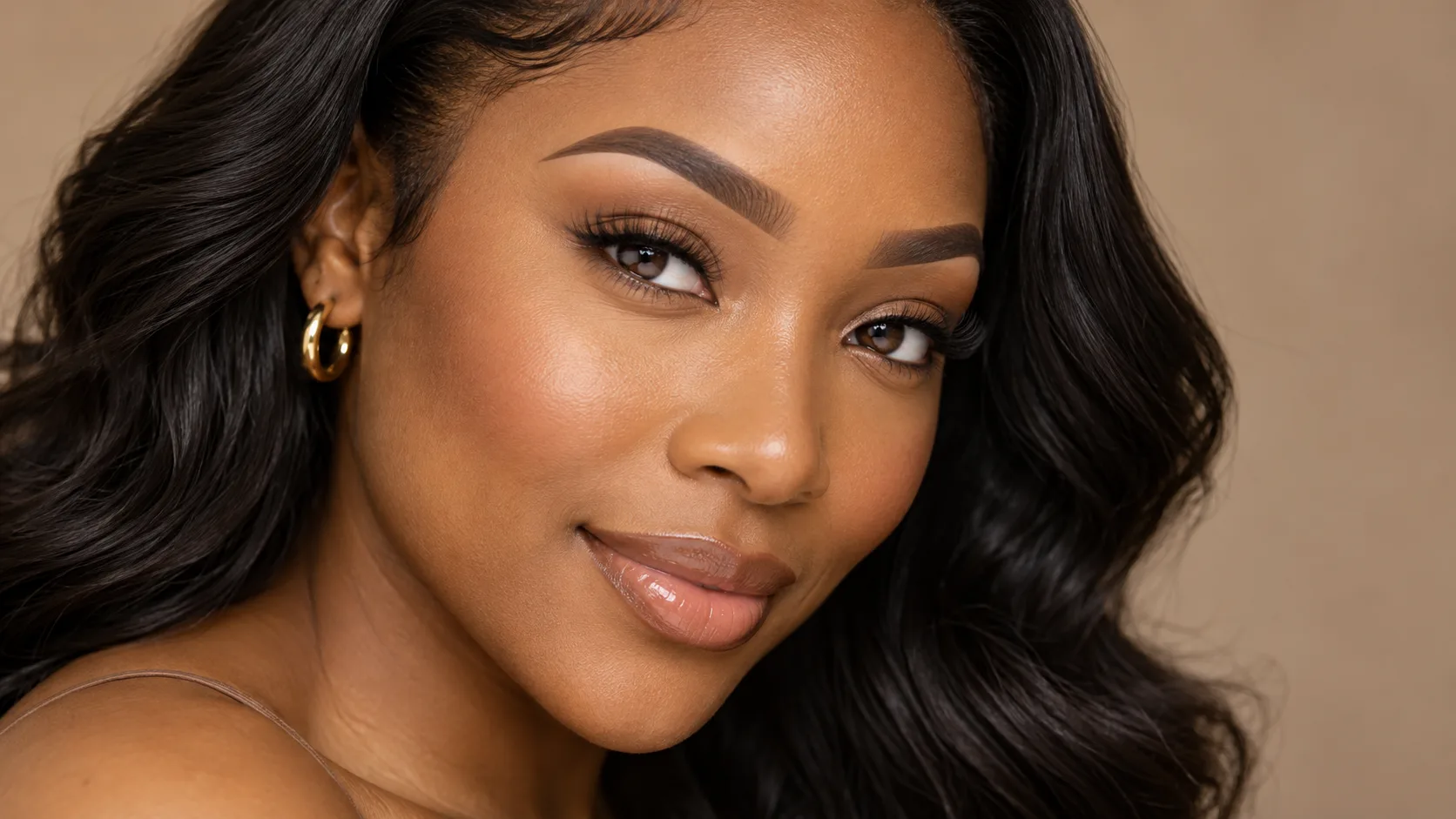
There is a moment almost every client has before considering shaded brows.
You see a beautifully finished set of ombré brows and think:
“I love that… but will mine look that soft?”
Then the second thought arrives.
“Or am I going to wake up with two dark blocks above my eyes?”
That fear matters.
Because most women considering permanent brows are not asking for more makeup. They are asking for less work.
Less filling.
Less trying to make one tail match the other.
Less checking whether their brow pencil survived Houston heat.
Less starting every morning with the same five-minute negotiation in the mirror.
But the solution only feels like freedom if the finished brows still feel like you.
That is where nano ombré shading brows can make sense.
Unlike a brow made entirely from individual hair strokes, ombré shading builds soft color through the brow to create a more filled, polished appearance. Done thoughtfully, the front can remain lighter and airy while the body and tail carry more definition.
The goal is not a stamped-on eyebrow.
The goal is the look of brows you may have carefully filled yourself, except you do not have to recreate them every morning.
If you are considering nano ombre brows in Houston, this guide will help you decide whether shading actually matches your skin, brow density, makeup habits, and expectations before you book.
Quick answer: Who is a good candidate for ombré shading brows?
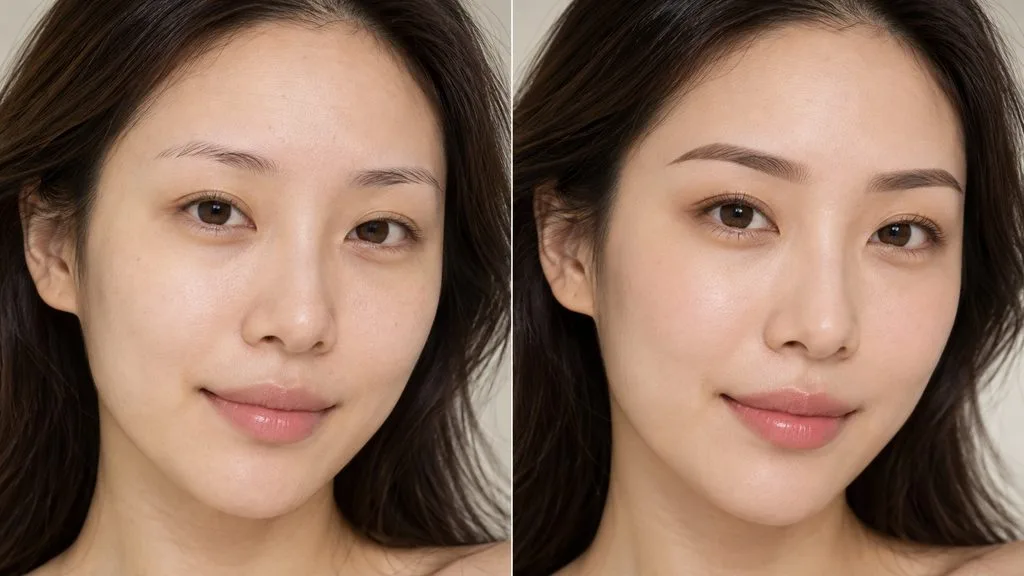
Ombré shading may be worth considering if you:
- regularly fill in most of your eyebrows
- want more consistent shape and definition
- prefer a softly made-up brow rather than individual hair strokes alone
- have sparse areas that need more visual density
- want a defined tail with a softer front
- have skin where very fine hair strokes may not give the density you want
- want a low-maintenance brow base that can still be enhanced with makeup
- understand that permanent makeup will fade and may need future maintenance
The Nano Blading currently offers Nano Ombré Shading Brows specifically for clients who want a soft, fuller, makeup-like finish rather than relying entirely on hair strokes.
But there is an important distinction.
Wanting ombré brows does not automatically mean ombré brows are the right choice for you.
Your skin, existing brow hair, old permanent makeup, desired intensity, and expectations still need to be evaluated.
First, what exactly are ombré shading brows?
Think about the difference between drawing individual eyebrow hairs with a very fine pencil and softly filling the brow with powder.
Those are two different visual effects.
Nano hair strokes are designed to imitate individual hairs.
Ombré shading creates soft pigment density through the brow.
The word “ombré” refers to the gradient effect. The brow front is generally designed to appear softer, with definition building gradually through the body and tail.
That gradient matters.
Without it, a shaded brow can become too uniform.
And uniformity is often what makes permanent brows look heavy.
A well-planned ombré brow should have visual movement.
Soft here.
More defined there.
Enough pigment to create structure.
Enough restraint to keep the brow connected to your face.
1. Ombré brows may suit you if you fill your eyebrows almost every day
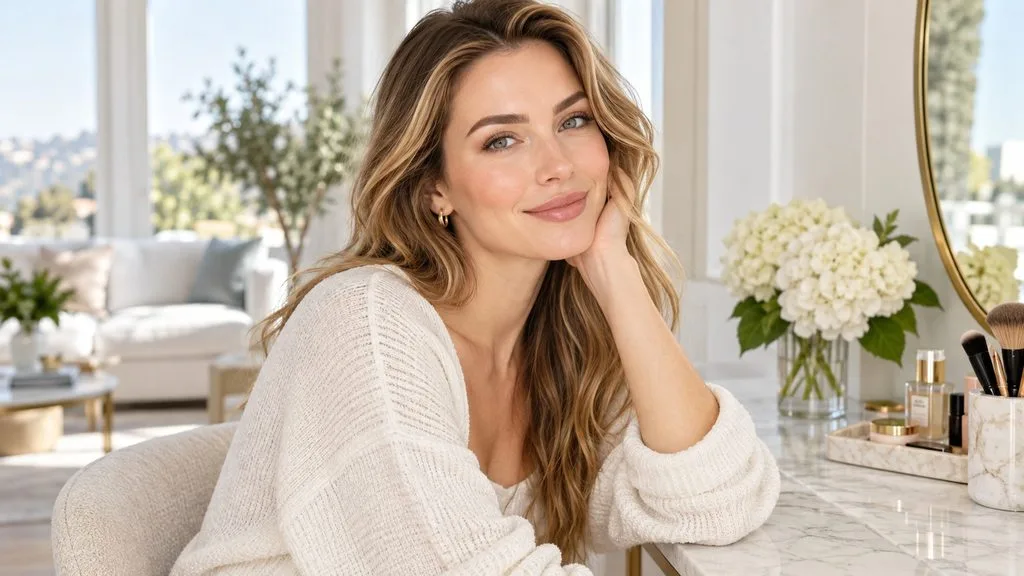
This is one of the easiest clues.
Look at your morning routine.
Do you:
fill the entire body of your brow?
add a stronger tail?
create your own arch?
use pencil and powder together?
feel unfinished without brow makeup?
If yes, pure hair strokes may actually feel too subtle for you.
That surprises some clients.
They arrive asking for the most natural technique possible, but what they really mean is:
“I want permanent brows that resemble the polished brows I create with makeup.”
Those are not necessarily hair-stroke brows.
They may be soft shaded brows.
There is nothing wrong with wanting visible definition.
The important part is matching the permanent technique to the look you genuinely wear rather than the technique currently receiving the most attention online.
2. Ombré brows may be useful when your eyebrows have uneven density
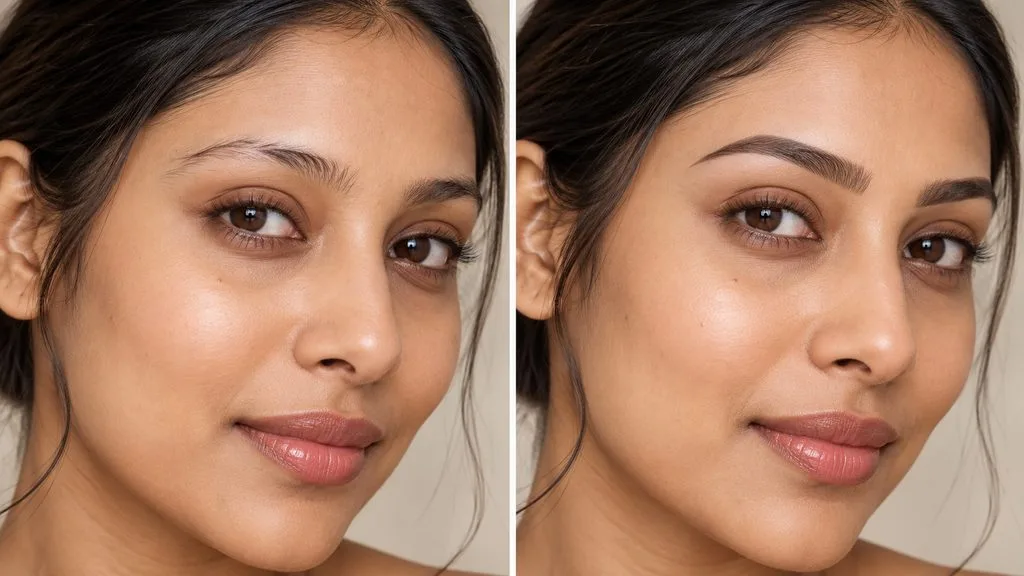
Maybe the beginning of your brow is reasonably full.
Then the middle becomes sparse.
And the tail apparently decided years ago that participation was optional.
This creates a frustrating problem with pure hair strokes.
Individual strokes can help replace missing hairs, but depending on how much density is absent, the overall brow may still feel visually incomplete.
Shading can create a more continuous foundation.
That can be particularly useful for clients who want the entire brow to feel intentional rather than simply adding a few simulated hairs into empty areas.
The key is not covering every bit of skin with dark pigment.
It is creating enough soft density that the brow reads as complete from conversational distance.
3. Ombré shading can be worth discussing if you have oily skin
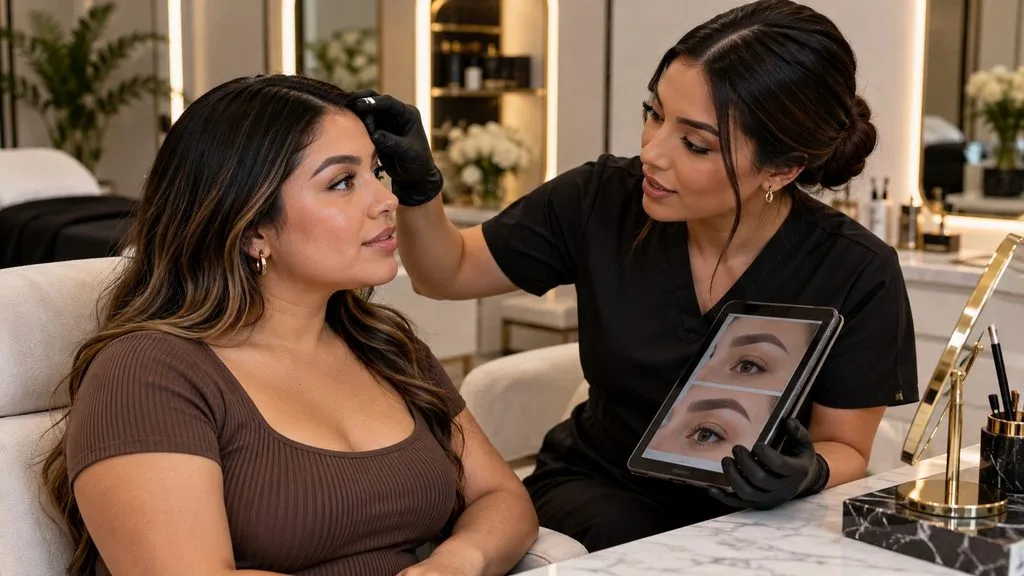
This is one of the biggest questions surrounding powder brows and oily skin.
Very fine hairstroke techniques depend heavily on individual lines remaining visually distinct after healing.
Oil production, skin texture, pore appearance, pigment placement, aftercare, and technique can all influence how permanent makeup eventually looks.
For clients with oily skin, it can therefore be worth discussing whether a softly shaded or combination technique would provide the visual consistency they want.
That does not mean:
“Oily skin must get ombré brows.”
Skin should still be evaluated individually.
But if your main goal is a reliably filled appearance rather than preserving dozens of extremely crisp individual strokes, shading deserves a serious conversation.
Ask your artist:
“Based on how my skin behaves, which result are you most confident will still look good after healing?”
That question is much more valuable than asking which technique is trending.
4. You may prefer shading if you want definition without drawing the shape every morning
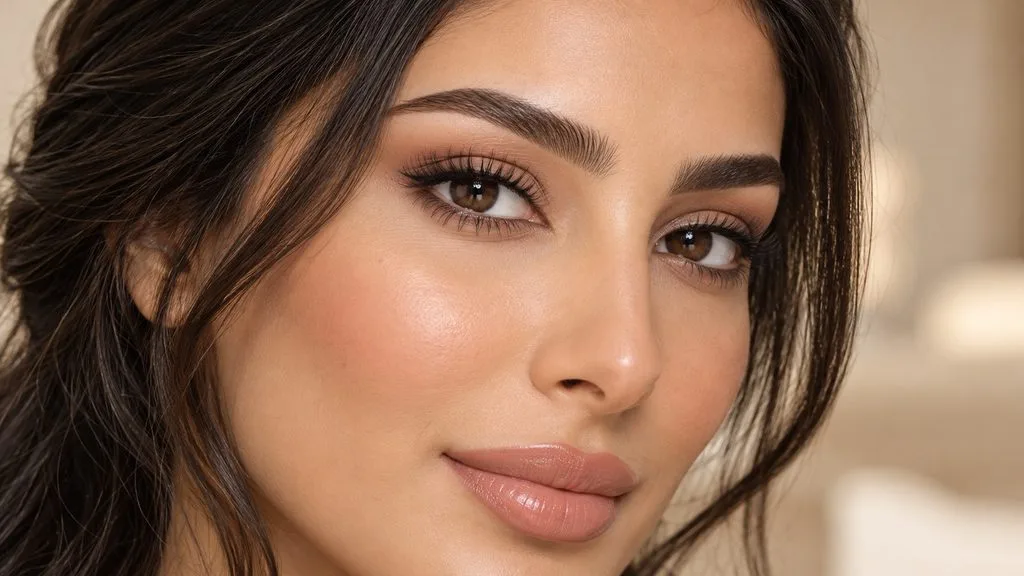
This is where ombré brows become attractive for busy clients.
You are not necessarily trying to transform your face.
You are trying to remove a repetitive task.
Maybe your left brow is naturally shorter.
Maybe the arch on one side needs more definition.
Maybe both tails disappear completely without pencil.
You know exactly how you like your brows because you have been drawing them for years.
What you are tired of is rebuilding them from zero every morning.
A well-designed shaded brow can create that base.
You wake up with structure already there.
You can leave it alone.
Or, after healing, add more makeup when you want a stronger evening look.
That flexibility is important.
Permanent makeup should make your routine easier, not lock you into special-event makeup every day.
5. Ombré brows can still look natural
This deserves its own section because the word shading scares people.
They hear “powder brow” and imagine:
dark.
solid.
sharp.
obvious.
But density and darkness are not the same thing.
A shaded brow can be soft.
What determines the final impression includes:
- pigment choice
- overall saturation
- brow-front density
- edge softness
- gradient
- shape
- how much natural hair you already have
- how the pigment heals in your skin
The difference between a soft ombré brow and a heavy tattooed-looking brow is not simply the name of the technique.
It is restraint.
You want enough pigment to create the effect.
Not so much that the pigment becomes the first thing people notice.
6. The soft front is what keeps ombré brows from becoming blocky
If you are frightened of shaded brows looking artificial, pay attention to one area during your consultation:
the brow front.
A natural eyebrow usually does not begin with the same density as the tail.
There is more visible skin.
The hairs tend to be lighter and less compact.
Ombré design can mimic that visual transition by keeping the beginning softer and gradually building definition toward the middle and tail.
That is why the word gradient matters.
The eye should not meet a hard vertical wall of pigment near the bridge of your nose.
It should move naturally into the brow.
Ask your artist:
“How are you keeping the front soft?”
You should get a better answer than:
“Don’t worry.”
7. Ombré brows may suit clients with very little natural brow hair
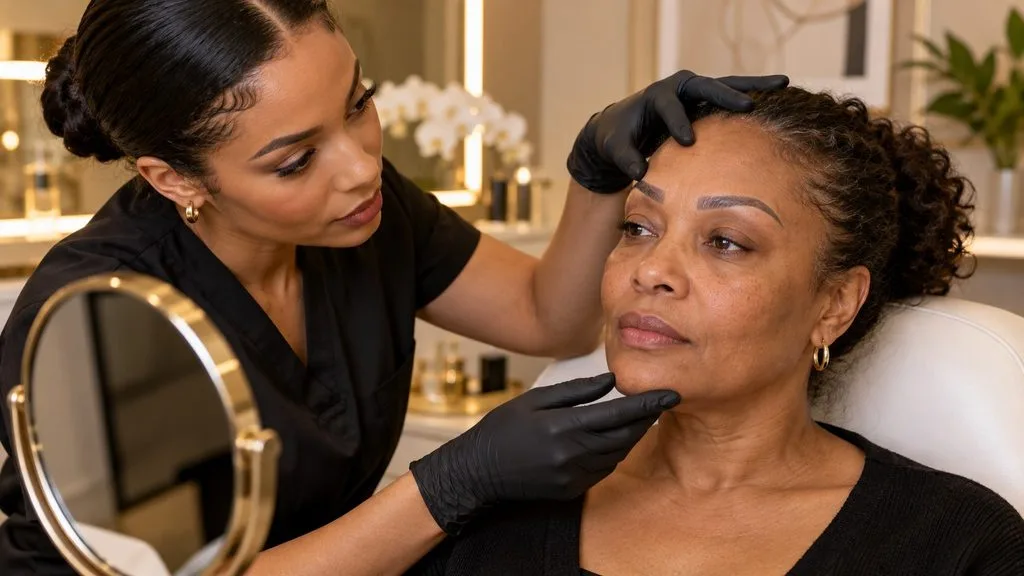
Hair strokes depend partly on illusion.
When tattooed strokes sit among natural eyebrow hairs, your eye blends everything together.
But if you have very little natural brow hair, there may not be enough existing structure to carry that illusion across the entire brow.
Shading can help provide visual foundation.
For some clients with significant sparseness, a combo approach may also be worth discussing, using hair-like detail where appropriate and shading where greater density is needed.
The decision should be based on what will look believable after healing, not on trying to use one technique everywhere simply because that was the service you originally searched for.
8. Ombré brows are not only for people who want bold brows
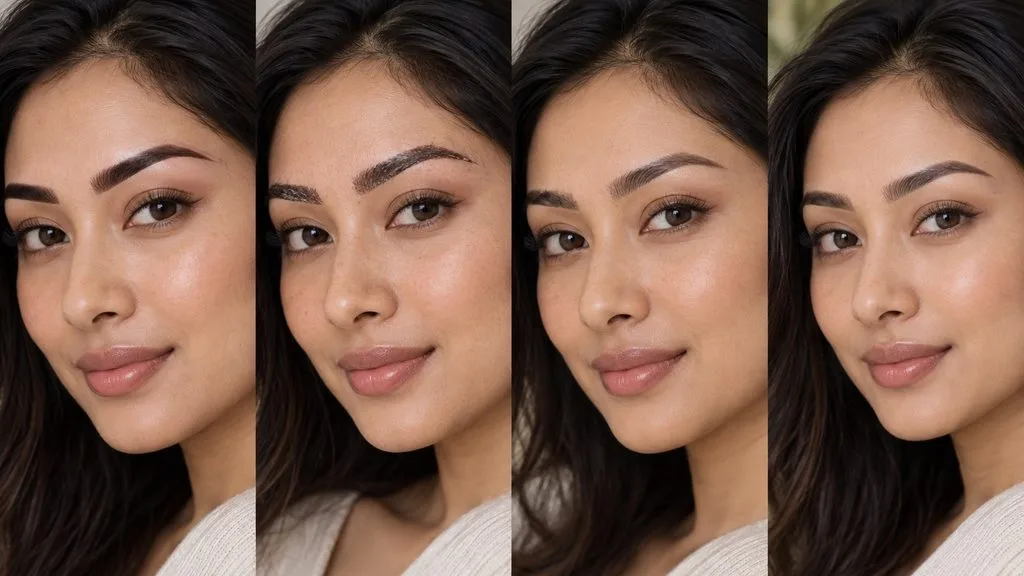
This is probably the biggest misconception.
There is not one universal ombré intensity.
A client who rarely wears makeup should not receive the same density as someone who loves a polished brow every day.
The better consultation question is:
“How much permanent definition fits the way I actually live?”
Not:
“How dark can we make them?”
Think about your average Tuesday.
Your hair pulled back.
Little or no makeup.
Running errands.
Working.
Picking up coffee.
That is the face your permanent brows need to work with.
Special events can always be enhanced with makeup later.
This article is about determining whether shading suits you at all. The exact choice between barely-there, medium, and stronger ombré intensity deserves its own conversation because the amount of shading dramatically changes the character of the finished brow.
9. Ombré shading and nano hair strokes solve different problems
This is where many clients get stuck.
Both techniques can create beautiful brows.
They just create beauty differently.
| If you want… | Consider discussing… |
|---|---|
| Individual hair-like detail | Nano Hair Stroke Brows |
| Soft powder or makeup-like definition | Nano Ombré Shading |
| More structure through sparse areas | Ombré or Combo Brows |
| A very airy, barely-there appearance | Hair strokes |
| A stronger tail with a soft front | Ombré shading |
| Both hair detail and extra density | Combo approach |
If your dream result is:
“I want people to think I naturally grow all these hairs.”
Start by discussing Nano Hair Stroke Brows.
If your dream result is:
“I want my brows to look softly filled even when I am not wearing makeup.”
Ombré shading may be closer to what you are actually asking for.
10. Existing permanent makeup can change the answer
If you already have:
microblading,
old powder brows,
previous ombré brows,
nano brows,
or another eyebrow tattoo,
do not assume new shading can simply cover everything.
The artist needs to evaluate:
- existing color
- saturation
- previous shape
- symmetry
- whether old pigment sits outside the new design
- skin condition
- how many times the area has already been worked
Sometimes shading can work with lightly faded previous pigment.
Sometimes correction is needed.
Sometimes additional fading or removal deserves consideration first.
Permanent makeup is a form of cosmetic tattooing, and dermatology literature recognizes both its long-lasting nature and the importance of complications, pigment behavior, and appropriate technique.
Adding more pigment is not automatically correction.
Sometimes the smartest brow decision is doing less.
What do ombré brows look like immediately after the appointment?
Fresh brows usually appear stronger than the finished healed result.
That can surprise clients.
You may look in the mirror immediately after treatment and think:
“These are darker than I expected.”
Fresh pigment, newly treated skin, sharper edges, and temporary surface changes can all make the brows appear more intense at first.
That does not mean you should judge your final color immediately.
Healing changes the appearance.
The important thing is understanding that fresh brows and healed brows are not the same visual stage.
Your artist should prepare you for that before treatment so you do not spend the first evening convinced something has gone wrong.
What does the healing process feel like?
Permanent makeup creates a controlled injury to the skin, so healing is part of the procedure, not an inconvenience attached to it.
Your experience may include:
- initial tenderness or sensitivity
- stronger-looking color
- dryness
- light flaking
- temporary patchiness
- a softer appearance as healing progresses
Do not pick at flaking skin.
Do not start aggressively exfoliating because you think the pigment is too dark.
Do not invent your own aftercare routine from social media.
Follow the aftercare instructions provided for your procedure.
If anything looks unusual, increasingly painful, significantly swollen, or otherwise concerning, contact the appropriate professional rather than trying to diagnose it from a beauty forum.
How long do ombré brows last?
There is no honest universal expiration date.
Your current Nano Ombré Shading service page notes that longevity varies with factors such as lifestyle and skin type.
That is the responsible way to think about it.
Retention can be influenced by:
- skin characteristics
- pigment
- technique
- sun exposure
- skincare
- healing
- lifestyle
- how much definition you personally prefer
Two clients can still have visible pigment at the same point in time and disagree completely about whether they are “due” for maintenance.
One likes a very soft faded brow.
The other wants the original definition restored.
Longevity is partly biological.
Maintenance preference is personal.
Will I need a touch-up?
Possibly.
A perfecting appointment allows the healed brows to be evaluated rather than guessing how your skin will retain pigment.
Your artist may assess:
- areas that healed lighter
- overall balance
- color
- density
- symmetry
- whether more pigment is actually necessary
The important phrase is:
actually necessary.
A touch-up should not automatically mean repeating the entire first appointment.
If an area healed beautifully, the goal is not to keep adding pigment simply because the calendar says it is touch-up day.
Who might want to reconsider ombré shading?
Ombré shading may not be your first choice if:
- you want the lightest possible hair-like result
- you almost never wear brow makeup and dislike visible definition
- your strongest preference is seeing individual simulated hairs
- you have previous permanent makeup that needs evaluation first
- your skin or health situation makes cosmetic tattooing inappropriate at the moment
- you expect the brows to look exactly like an edited photograph
- you are unwilling to go through the normal healing process
The best artist is not the person who convinces every consultation to book.
It is the person willing to say:
“This technique does not match what you are asking for.”
The five questions I would ask before booking ombré brows
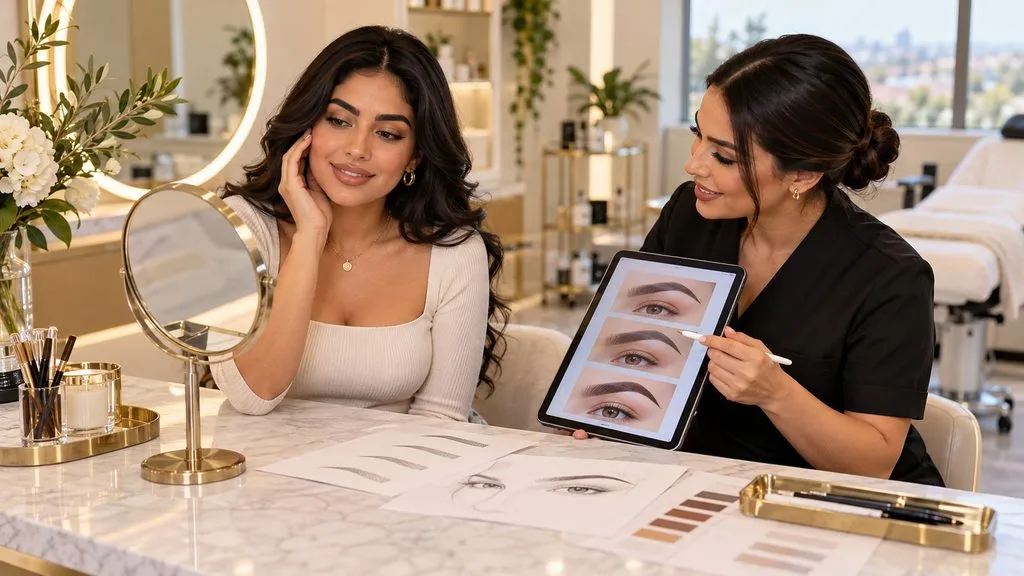
1. Can I see healed ombré brows?
Fresh work can look impressive.
Healed work tells you much more.
2. How soft can you keep the front?
This reveals whether the artist understands gradient and restraint.
3. How will my skin affect the technique?
You want an individualized answer, not “this works on everyone.”
4. What happens if I want more definition later?
A conservative first result can often be refined after healing.
5. Would you recommend shading if I were not already asking for it?
This may be the most useful question of all.
You want the artist’s recommendation.
Not confirmation of the decision you already made on Instagram.
Frequently Asked Questions About Ombré Shading Brows
Who is a good candidate for ombré shading brows?
Ombré shading may suit clients who want a softly filled, makeup-like brow, need more consistent density, regularly fill their eyebrows, or prefer greater definition than individual hair strokes alone provide. Skin, existing brow hair, previous permanent makeup, and personal style should still be evaluated before treatment.
Are ombré brows good for oily skin?
They can be worth discussing for oily skin because shading does not depend entirely on maintaining the appearance of many separate fine hair strokes. However, oily skin varies considerably, so suitability and expected retention should be assessed individually.
Do ombré brows look natural?
They can. A natural-looking ombré brow usually relies on a soft front, gradual density, appropriate pigment color, balanced shape, and conservative saturation. Ombré does not have to mean dark or dramatic.
How long do ombré brows last?
There is no universal lifespan. Retention varies according to skin, technique, pigment, sun exposure, skincare, lifestyle, healing, and the level of definition the client wants to maintain.
What is the touch-up timeline?
A perfecting appointment may be recommended after the initial healing period so the artist can evaluate actual pigment retention, balance, and density. The exact timing should follow the artist’s protocol and the way your skin heals.
So, are ombré brows right for you?
Here is the easiest way to decide.
Do not start with:
“Which permanent makeup technique is best?”
There is no useful answer to that question.
Start with:
“How do I want my brows to look when I wake up on an ordinary morning?”
If your answer is:
“I want to see individual hairs and almost no makeup effect,”
then Nano Hair Stroke Brows may deserve the first conversation.
If your answer is:
“I want my brows softly filled, balanced, polished, and ready without reaching for a pencil,”
then nano ombré shading brows may be exactly the direction worth exploring.
You do not need the darkest brow.
You do not need the newest brow.
You need the technique that solves your problem without creating a new one.
That is what the consultation is for.
At The Nano Blading in Houston, Nano Ombré Shading Brows are designed for clients seeking a soft, filled appearance with a gradual brow effect rather than relying entirely on individual hair strokes.
Book a consultation before choosing the technique. Bring photos of how you normally fill your brows, show your artist what you consider too dark, and decide what you want your healed brows to do for you every ordinary morning.
